The global landscape of high-speed rail projects is witnessing significant expansion as governments and private sectors push for improved transportation infrastructure. However, alongside this growth, challenges in meeting projected timelines remain prevalent, affecting the deployment and operational efficiency of these networks.
Global expansion of high-speed rail networks
High-speed rail systems are increasingly recognized as vital for enhancing connectivity, reducing environmental impact, and stimulating economic growth. Countries in Asia, Europe, and emerging regions are investing heavily in these projects to address urban congestion and facilitate faster travel. China continues to lead with an expansive network exceeding 40,000 kilometers, while European nations such as France, Spain, and Germany maintain their focus on extending and upgrading existing lines.
Key factors driving high-speed rail deployment
The push toward high-speed rail development is underpinned by a combination of environmental concerns, urbanization trends, and the desire to compete with air and road transport. Governments prioritize projects that promise reduced carbon emissions and stimulate regional economic integration. Additionally, technological advances have driven improvements in train speeds and energy efficiency, making high-speed rail a more attractive option.
Where project timelines are slipping the most
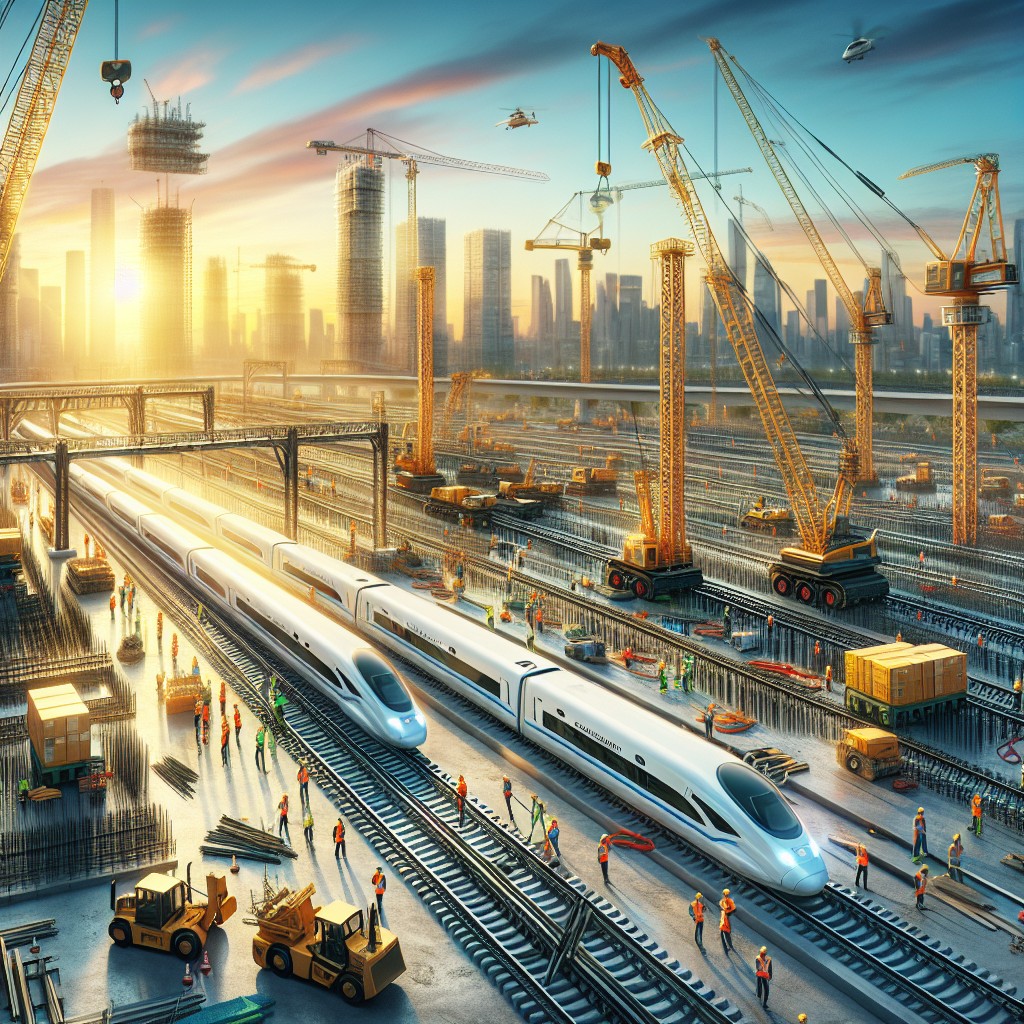
Despite widespread enthusiasm, many high-speed rail projects face delays due to several recurring factors. Regulatory hurdles, land acquisition challenges, and funding uncertainties frequently extend project completion dates. Projects in North America, such as California’s high-speed rail initiative, continue to experience significant timeline slippage attributed to complex permitting and budget overruns. Similarly, in Europe, certain expansions have encountered delays owing to cross-border coordination complexities and local opposition.
Impact of delays on economic and environmental goals
Delays in high-speed rail projects not only defer anticipated benefits but can also inflate overall costs and undermine stakeholder confidence. Time overruns potentially delay reductions in carbon emissions by postponing the modal shift from cars and airplanes to trains. Furthermore, local economies that depend on the construction and eventual operation of these projects may suffer from uncertainty and reduced investment appeal.
Strategies to mitigate timeline slippage
Governments and project managers are increasingly adopting integrated planning approaches to anticipate and manage risks. Enhanced stakeholder engagement, improved project financing methods, and adoption of advanced construction technologies have been instrumental in minimizing delays. Some successful projects now emphasize modular construction and public-private partnerships to balance risks and streamline progress.
Looking forward, the high-speed rail sector is poised to continue its expansion despite existing challenges. Improved governance and technological innovations are expected to contribute toward more reliable timelines in the future, supporting the broader goals of sustainable transportation and economic development worldwide.
Frequently Asked Questions about high-speed rail
What defines a high-speed rail system?
High-speed rail refers to passenger train services that operate significantly faster than traditional rail traffic, typically exceeding speeds of 250 km/h (155 mph) on dedicated tracks. These systems aim to provide rapid, efficient, and reliable rail transportation.
Why are high-speed rail project timelines often delayed?
Common reasons for delays include regulatory approval complexities, land acquisition issues, funding challenges, and technical difficulties during construction. Coordination among multiple stakeholders and environmental assessments also contribute to extended timeframes.
How does high-speed rail benefit the environment?
High-speed rail helps reduce greenhouse gas emissions by offering an energy-efficient transportation alternative to cars and airplanes. Electrified trains produce less pollution per passenger kilometer, contributing to climate change mitigation efforts.
Which countries currently lead in high-speed rail development?
China holds the largest and most extensive high-speed rail network globally, followed by countries in Europe such as France, Spain, and Germany. Japan is also notable for its pioneering Shinkansen system and continued innovation.
Can investments in high-speed rail spur economic growth?
Yes, investments in high-speed rail typically enhance regional connectivity, reduce travel times, and promote commerce and tourism, which together support economic development. However, the positive impact depends on timely project completion and integration with other transport modes.