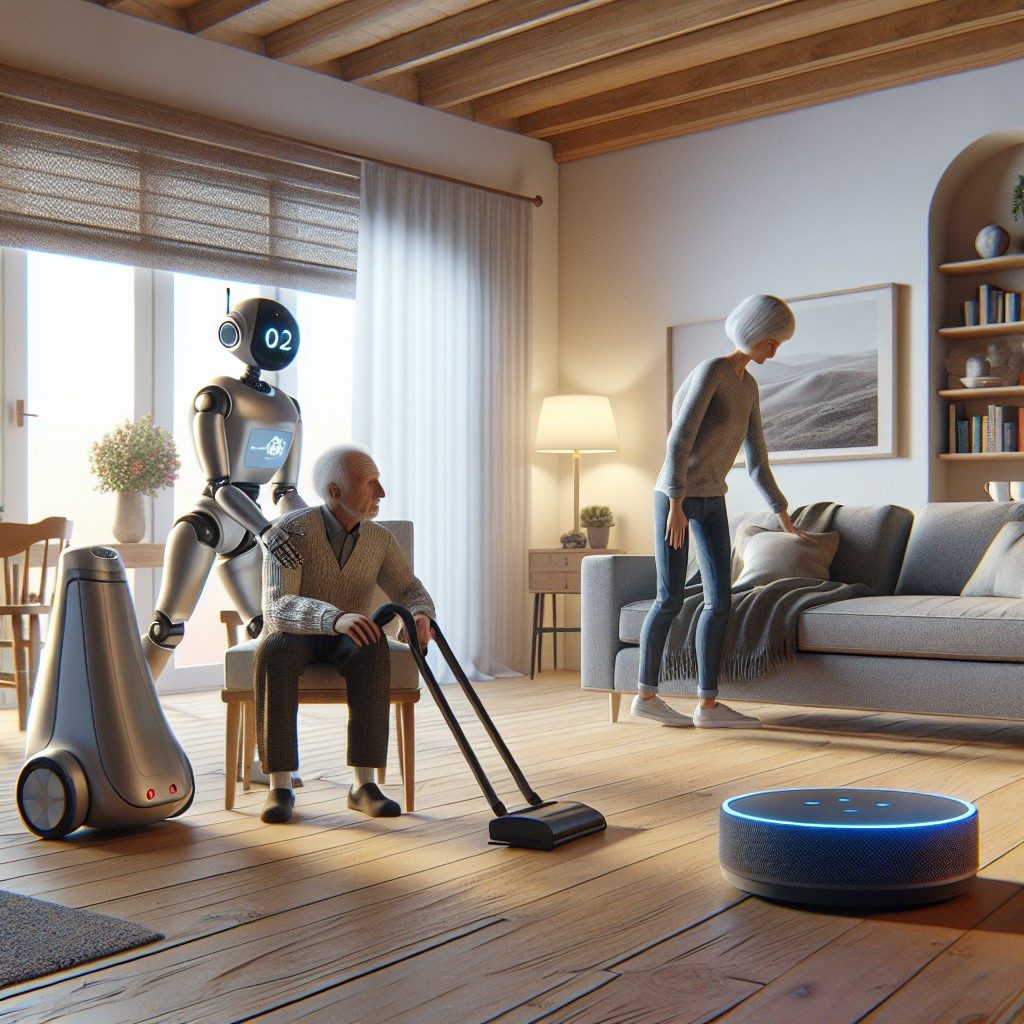
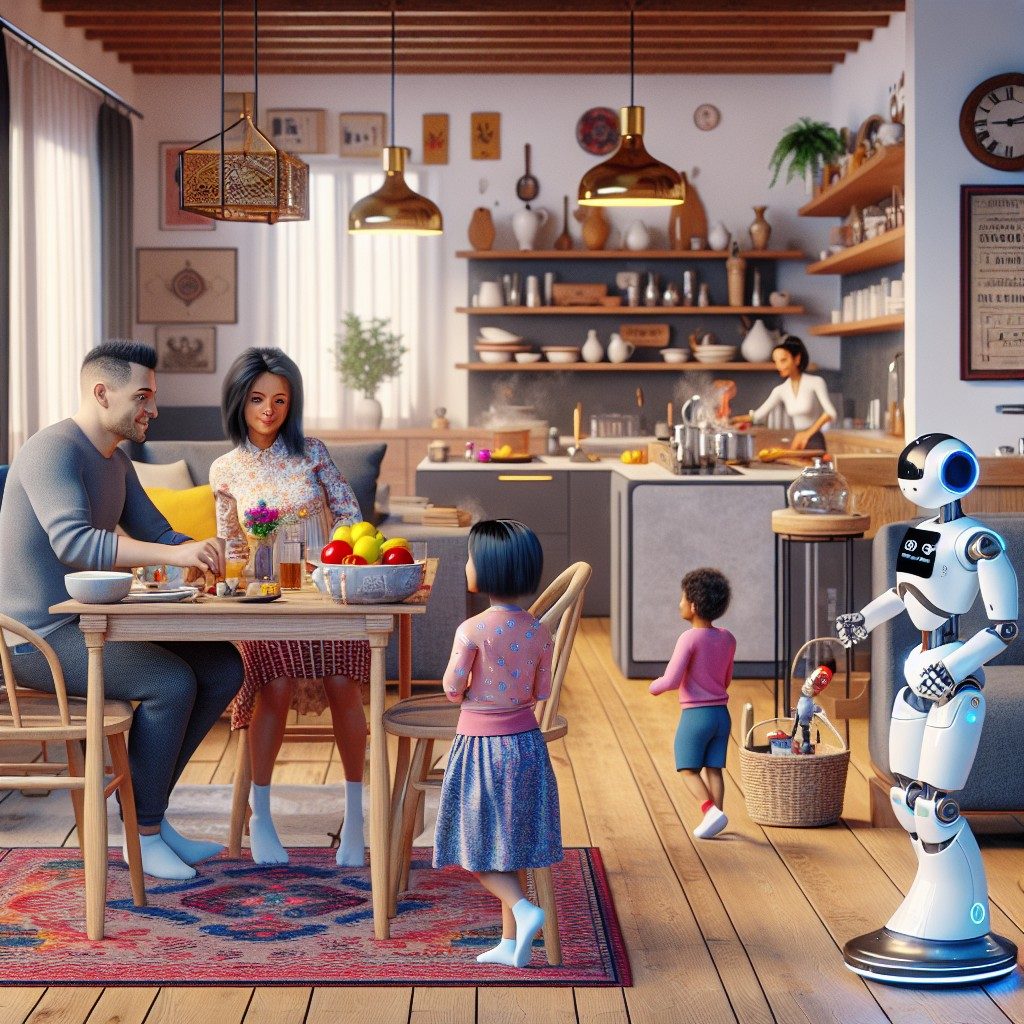
Home robotics technology has advanced rapidly in recent years, transforming the way people manage tasks within their households. As smart devices and robotic assistants become more accessible, understanding the factors that influence consumer trust is essential to gauge future adoption rates. This article explores the key elements that contribute to user confidence in home robotics and examines the current trends in daily life integration.
Technological Reliability and Performance
The foundation of trust in home robotics lies in consistent and reliable performance. Devices that operate smoothly without frequent malfunctions or errors naturally inspire user confidence. Innovations in sensor accuracy, artificial intelligence, and machine learning algorithms have significantly improved task execution, enabling robots to navigate complex environments and complete household chores effectively. For example, robotic vacuum cleaners and lawn mowers that adapt to home layouts and obstacles exhibit advanced reliability, encouraging more users to incorporate them into routine maintenance.
Data Privacy and Security Concerns
Security remains a paramount concern for consumers engaging with home robotics. Since many of these devices collect and process data to deliver personalized services, users demand clear assurances about how their information is protected. Manufacturers adopting robust encryption standards and transparent data handling policies mitigate fears related to hacking or unauthorized surveillance. Regulatory frameworks and industry certifications further bolster trust by enforcing compliance with privacy standards. Consequently, trusted brands often highlight these measures to reassure consumers hesitant to adopt home robotics fully.
User-Friendly Design and Accessibility
Ease of use plays a crucial role in fostering trust among diverse user groups. Devices featuring intuitive interfaces, straightforward setup procedures, and accessible control options appeal to a broader audience, including individuals with limited technical skills. Voice commands, mobile app integration, and seamless connectivity with other smart home systems enhance usability. When customers encounter fewer barriers in operating home robotics, their confidence in adopting such technology increases, facilitating smoother integration into daily routines.
Transparent Communication and Customer Support
Manufacturers that maintain open communication channels and provide reliable customer support positively influence consumer trust. Clear information about capabilities, limitations, and software updates helps manage expectations. Additionally, responsive technical assistance and warranty services assure users that help is available if issues arise. Companies investing in comprehensive support infrastructure tend to build stronger relationships with their customer base, reinforcing confidence in home robotics products and encouraging long-term adoption.
Social Acceptance and Cultural Factors
Societal attitudes and cultural perceptions significantly impact the willingness of individuals to embrace home robotics. As more people share positive experiences through reviews, social media, and word of mouth, acceptance grows within communities. Moreover, perceptions of automation as a helpful aid rather than a threat contribute to trust development. Educational initiatives and media coverage that accurately depict the benefits and limitations of home robotics also play roles in shaping public opinion. Countries with higher exposure to technology typically report greater trust levels and adoption rates.
In conclusion, the adoption of home robotics depends heavily on factors such as technological reliability, data security, user-centric design, transparent communication, and social acceptance. Ongoing advancements coupled with stringent privacy measures are likely to enhance consumer confidence further, enabling wider integration of robots into daily living environments. As these elements continue to evolve harmoniously, home robotics can be expected to become an increasingly commonplace presence in households worldwide.
Frequently Asked Questions about home robotics
What are the main factors that influence trust in home robotics?
Trust in home robotics is influenced by device reliability, data privacy protections, user-friendliness, transparent communication from manufacturers, and societal acceptance of automation technologies.
How does data security impact the adoption of home robotics?
Data security is critical for users because home robotics often handle sensitive personal information. Strong encryption, transparent policies, and compliance with regulations help build trust and encourage adoption.
Are home robotics devices easy to use for individuals without technical skills?
Many modern home robotics devices feature simplified interfaces, voice control, and app integration, making them accessible and easy to use for people with limited technical knowledge.
What role does customer support play in building trust in home robotics?
Effective customer support provides reassurance through accessible assistance, clear communication about device capabilities, and reliable warranty services, all of which contribute to increased user confidence.
How does cultural perception influence the acceptance of home robotics?
Cultural attitudes towards technology and automation shape how quickly and widely home robotics are adopted. Positive social narratives and educational efforts enhance acceptance and trust in these devices.