As technology advances, the possibility of humanoid robots becoming part of everyday life is increasingly discussed worldwide. In Romania, the anticipation surrounding these machines raises questions about their role and accessibility in typical households by 2026. This article explores current trends, technological capabilities, economic factors, and cultural considerations shaping what Romanian families might realistically expect from humanoid robots in the near future.
Current State of Humanoid Robots Technology
Humanoid robots are designed to imitate human appearance and behavior, equipped with capabilities such as mobility, speech recognition, and decision-making processes. Recent developments have significantly improved their dexterity and interaction skills. However, high costs and technical complexity remain barriers to widespread adoption. Globally, leading institutions and companies focus on refining functionalities related to household tasks, healthcare assistance, and customer service.
Availability and Affordability in Romania
Romania’s market for advanced robotics is still emerging compared to more technologically developed nations. Import tariffs, limited local manufacturing infrastructure, and purchasing power impact the availability of humanoid robots for typical Romanian families. While prototypes and pilot programs might be visible in specialized settings, affordable models suitable for everyday household use are unlikely to be common by 2026. Economic analyses suggest that the average Romanian household would face considerable expenses to acquire and maintain these robots.
Practical Applications Suitable for Romanian Households
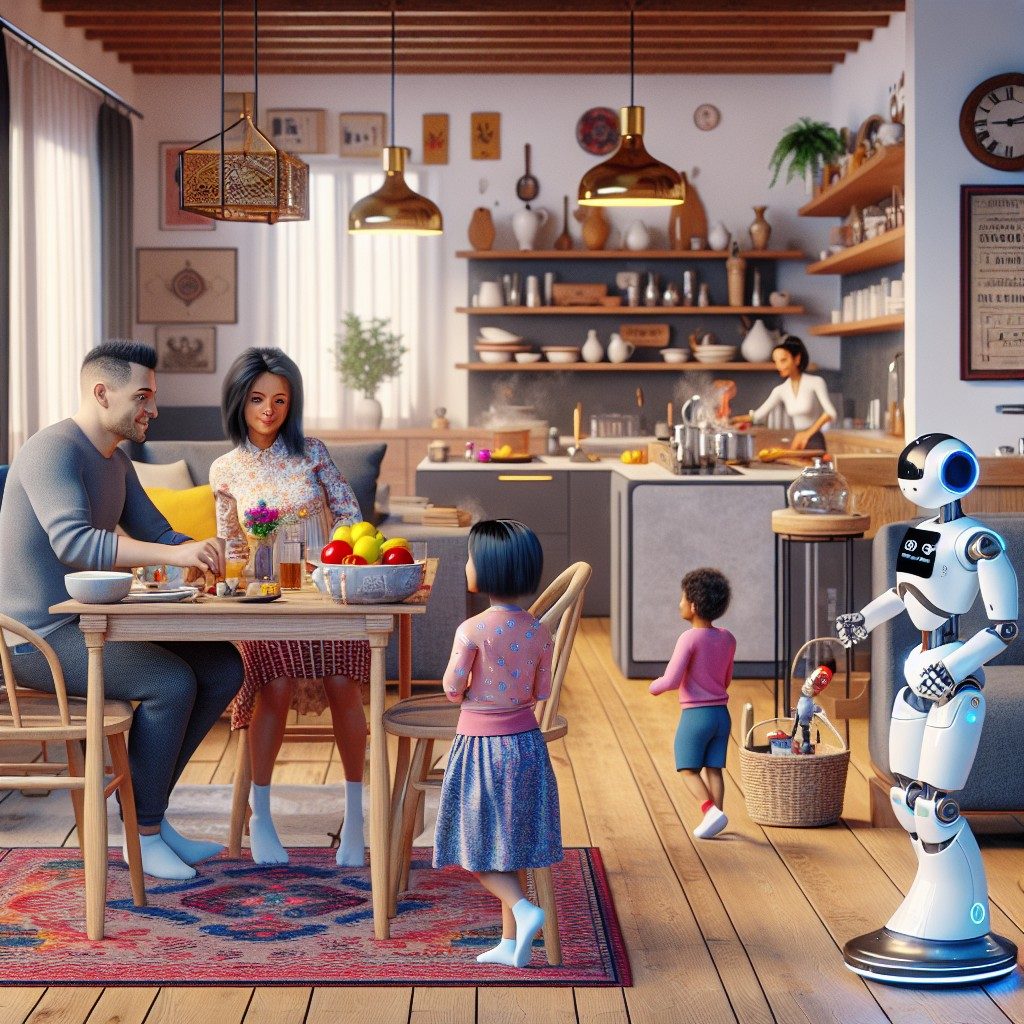
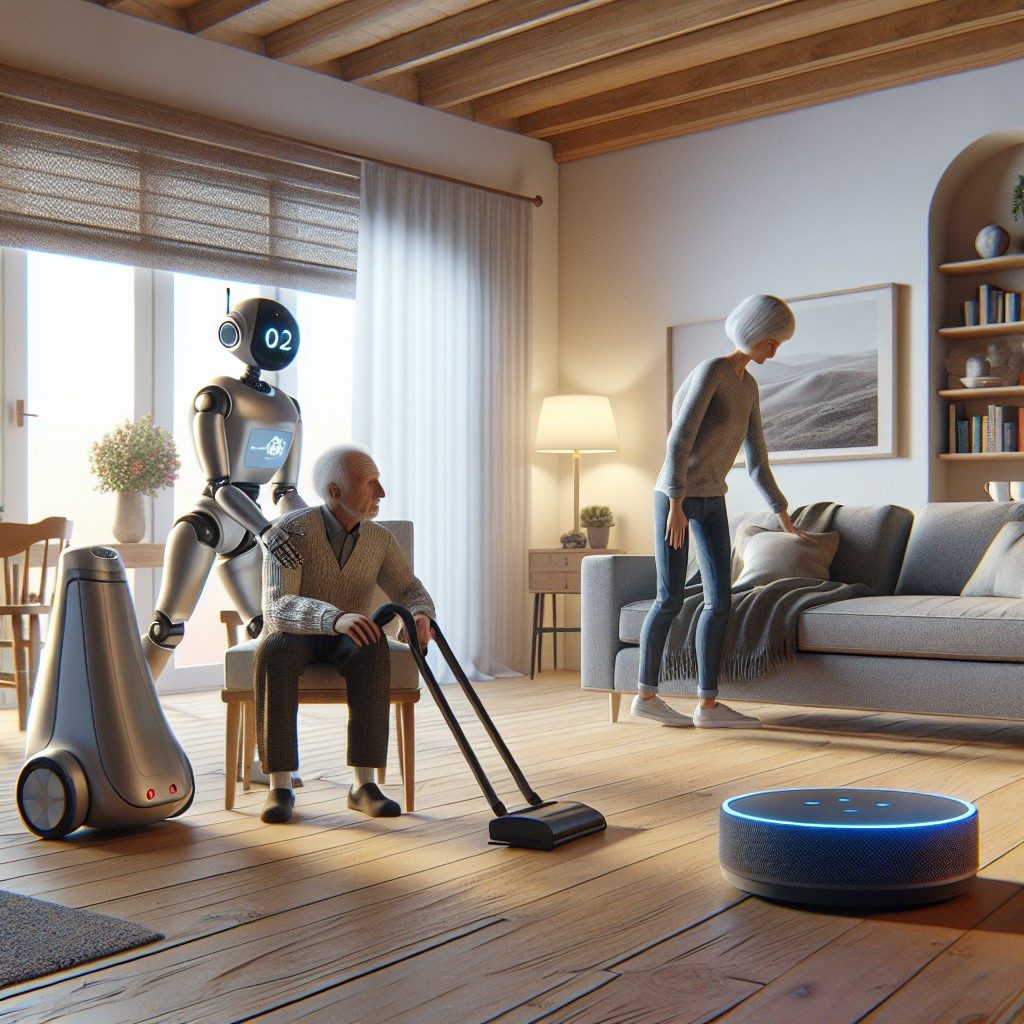
By 2026, humanoid robots with basic assistance capabilities could support tasks such as simple cleaning, monitoring elderly relatives, or providing educational aid to children in Romanian homes. However, their effectiveness will depend on integration with existing smart home technologies and reliable internet connectivity, areas which still require development in various regions of Romania. Practical use cases will likely focus on enhancing convenience rather than full automation of household duties.
Challenges and Limitations Specific to Romania
Several challenges remain in adopting humanoid robots widely in Romanian households. Infrastructure limitations, including inconsistent internet access and lack of specialized technical support services, will affect usability. Additionally, public perception and acceptance play a critical role; Romanian families may exhibit cautious attitudes toward embracing robots due to cultural factors and concerns around privacy and security. These aspects must be addressed through education and transparent communication from manufacturers and policymakers.
Government and Industry Initiatives Impacting Future Adoption
Romanian authorities and private companies have started investing in robotics research and STEM education to lay groundwork for future technological integration. Collaborations with international organizations aim to facilitate knowledge exchange and development of standards for safe and efficient use of humanoid robots. Despite these efforts, significant progress within the next few years is expected mainly in urban areas and specialized institutions rather than mass household adoption.
In conclusion, while humanoid robots represent a captivating technological frontier, Romanian families should realistically expect limited presence and functionality of these machines in their homes by 2026. Advances in affordability, infrastructure, and social acceptance are essential before humanoid robots can become a standard feature in Romanian domestic environments. The coming years will likely see gradual expansion in specific applications rather than immediate widespread household integration.
Frequently Asked Questions about humanoid robots
What are humanoid robots and how do they differ from other robots?
Humanoid robots are machines designed to resemble and sometimes mimic human gestures and activities, making them distinct from industrial or specialized robots that lack human-like features. Their design aims to improve interaction in household and social settings.
Will humanoid robots be affordable for Romanian households by 2026?
It is unlikely that humanoid robots will be widely affordable for most Romanian families by 2026 due to high production costs, import duties, and limited local manufacturing capabilities.
What household tasks can humanoid robots perform in Romanian homes soon?
In the near future, humanoid robots might assist with basic tasks such as cleaning, monitoring elderly family members, or educational support, but extensive automation of household chores is not expected yet.
Are there any government programs in Romania supporting humanoid robot development?
Yes, the Romanian government has initiated investments in robotics research and education, partnering with international organizations to support technological advancements, though direct household adoption programs are still limited.
How do Romanian cultural attitudes affect the acceptance of humanoid robots?
Cultural factors, including privacy concerns and skepticism towards new technology, influence the cautious approach Romanian households may take towards adopting humanoid robots, emphasizing the need for public awareness and trust-building measures.